Summary of the project
Almost 14,000 separated migrant children applied for asylum in the EU in 2019 (Eurostat 2019). Without parents/caregivers close by, their connections to support networks, to social work, education and legal services, and to peers are vital. The impact of the COVID-19 pandemic on these networks and services posed urgent risks for SMC’s well-being and ability to thrive, socially and educationally in the UK.
This rapid response project examined how separated children (aged 12 -18) experienced the COVID-19 crisis and how it impacted on their connectivity to networks and services. It identified how services adapted to meet their needs and shared learning as the project progressed to disseminate good practice throughout the UK. An intervention which gave separated children the opportunity to articulate their feelings about this and other crises, while developing English language skills, was introduced and evaluated.
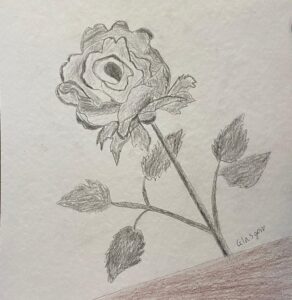
The interdisciplinary research team adopted a mixed methods design, combining online interviews with children, their carers, guardians, social workers and teachers; interactional data from the intervention alongside children’s artistic outputs (photographs, drawing, storytelling, a song and a blog), and online discussions with stakeholders. Findings were shared via briefing and working papers and young people’s work and commentaries.
The project team worked with CoramBAAF to ensure findings were relevant to others working with separated children in England, Northern Ireland and Wales; Hands Up Foundation to deliver an arts-based intervention; Scottish Guardianship Service to support separated children during the project; and Terre des Hommes to develop the impact of the project Europe-wide. On-going collaboration with these partners and online workshops and conferences helped build resources made available to all in order to support work with separated children during the current and future crises.
Further information about the project is also available on the YouTube channel, Separated in Scotland
Here are more ways to learn about the project
Illest Soldiers by MC Shamp, song
Humble’s Story
Thanh’s Story
‘Separated in Scotland’, study website
‘Making and breaking connections’. By Dr Kinga Goodwin
‘Working with separated children as a legal representative’. A guest blogpost by Farida Elfallah, an Associate Solicitor at JustRight Scotland, a legal human rights organisation.
‘Dwelling in Positivity’: Telling Covid Stories through Art. By Dr Kinga Goodwin
The Scottish Guardianship Service perspective on the project. A guest blogpost by Stefan Smith from our study partner the Scottish Guardianship Service
‘Reflections on caring for an unaccompanied asylum seeker’. A guest blog post by Maura Daly & Mark Smith (social workers and host family carers).
‘My experience of the workshops’, by Hot. Blogpost by a young person who participated in the workshops.